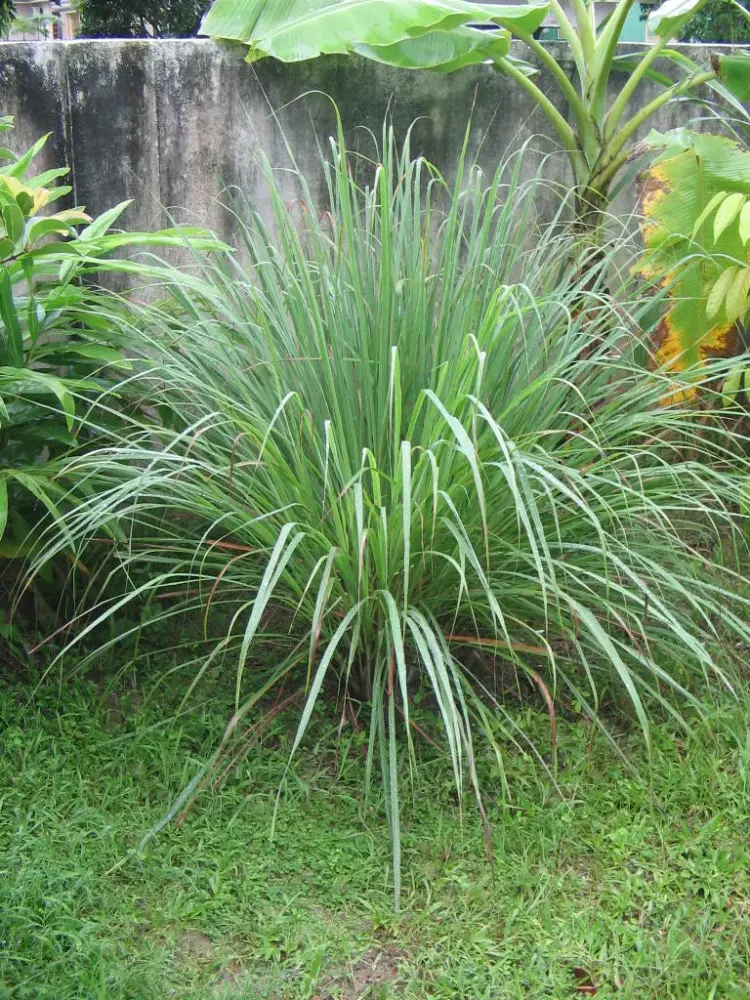
© Unknown · CC BY 2.0 · Commons
Cymbopogon citratus
CautionZitronengras · (Cymbopogon citratus)
Grass family (Poaceae)
Description
Cymbopogon citratus, commonly known as West Indian lemon grass or simply lemon grass, is a tropical plant native to South Asia and Maritime Southeast Asia and introduced to many tropical regions.
- TeaLeafInternalFolk medicine
Infusion from fresh or dried stalks and leaves: 1–2 tsp chopped lemongrass in 200 ml hot water, steep 10 minutes. Used in Asian and Latin American folk medicine for digestive complaints, flatulence, cramps, and mild fever. Antispasmodic and diaphoretic properties are well-documented in folk tradition.
Preparation & dosage
- Dry amount
- 3–6 g
- Doses per day
- 3×
[#src_pfaf_cymbopogon] [#src_wiki_en_cymbopogon] [#src_pmc3217679]
- Essential oilLeafExternalFolk medicine
The essential oil (main constituent citral 65–85 %) shows pronounced antifungal activity in the lab against Candida albicans, C. tropicalis, and Aspergillus niger (inhibition zones 35–90 mm). Diluted in a carrier oil (1–2 %) traditionally used for skin and nail mycoses.
Preparation & dosage
- Essential oilLeafExternalFolk medicine
Topical application diluted (2–3 % in carrier oil) for rheumatic joint pain and muscle soreness. Animal studies show inhibition of carrageenan-induced edema up to 96.8 % orally. No clinical trials in humans.
Preparation & dosage
- SpiceAerial partsInternalFolk medicine
The fleshy base of the stalks is used fresh or lightly bruised as a spice in Asian cuisine (soups, curries, sauces, Tom Yam). The inner part of young shoots is edible raw as a vegetable. Dried pieces or powder have a markedly weaker aroma.
Preparation & dosage
- InhalationLeafExternalFolk medicine
Steam inhalation of 2–3 drops essential oil in hot water or diffuser for cold symptoms and relaxation. Brazilian folk medicine (Krahô) documents anxiolytic and mildly sedating properties. Direct inhalation of undiluted oil can cause toxic alveolitis — caution required.
Preparation & dosage
- BathLeafExternalFolk medicine
Foot bath or full bath with fresh or dried lemongrass (50–100 g per 10 l water) for athlete's foot (tinea pedis), ringworm, and tired muscles. The antimicrobial effect of the citral-rich infusion is used in folk medicine.
Preparation & dosage
Distribution in Europe
🪴 Grow at home
- ☀ Light
- full sun
- 💧 Water
- every few days
- 🌱 Soil
- Standard herb compost
- 🪴 Pot
- 25 cm
- ⭐ Difficulty
- ★★☆ intermediate
- 🐾 Pets
- pet-safe
Tips:
- Needs LOTS of sun — otherwise stalks get thin and lose aroma.
- In a pot it's not frost-hardy — move indoors below 10 °C.
- Cut stalks just above the root, the clump regrows.
Care tips are general indoor-gardening recommendations, not scientific sources.