🌀 Psychoactive plants & fungi
These species are wholly or partly subject to legal control because of psychoactive constituents — plants and fungi alike. The entries are purely botanical-historical and educational: origin, constituents, cultural history and safety notes, all sourced.
No consumption, dosage or cultivation instructions. Legal status varies widely by country — every detail page carries a separate legal notice. Inform yourself about the rules that apply to you.
Use
Season
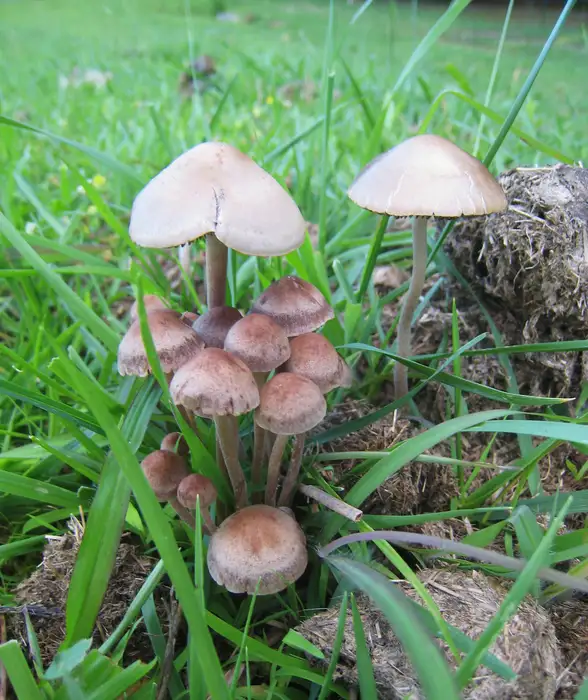
Banded mottlegill
(Panaeolus cinctulus)
A worldwide psilocybin-containing dung and lawn fungus – inconspicuous and easily confused with deadly toxic mushrooms.
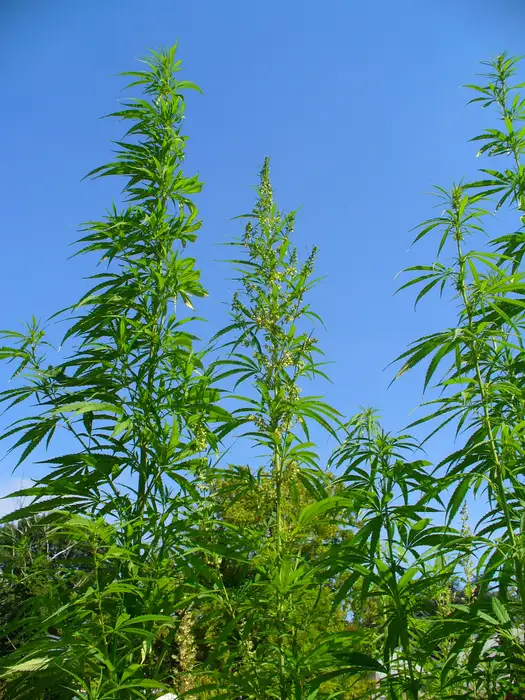
Cannabis / Hemp
(Cannabis sativa L.)
An ancient fibre, oil and medicinal plant whose cannabinoids THC and CBD also make it an internationally controlled psychoactive species.
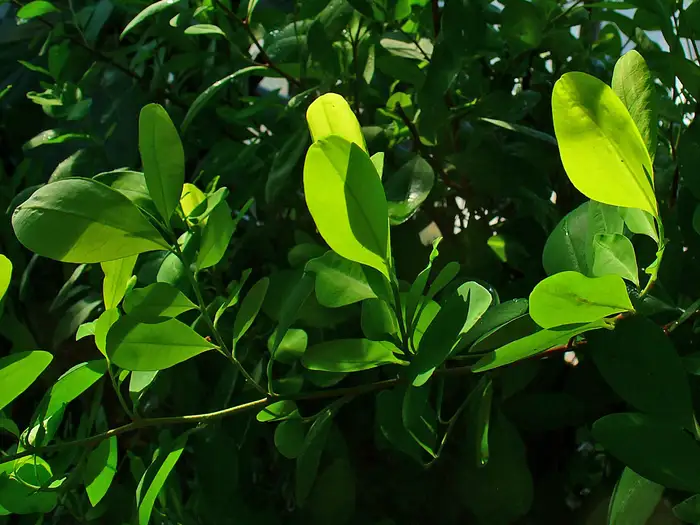
Coca
(Erythroxylum coca)
Sacred Andean shrub and source of cocaine — traditionally chewed, historically the first local anaesthetic, today internationally controlled.
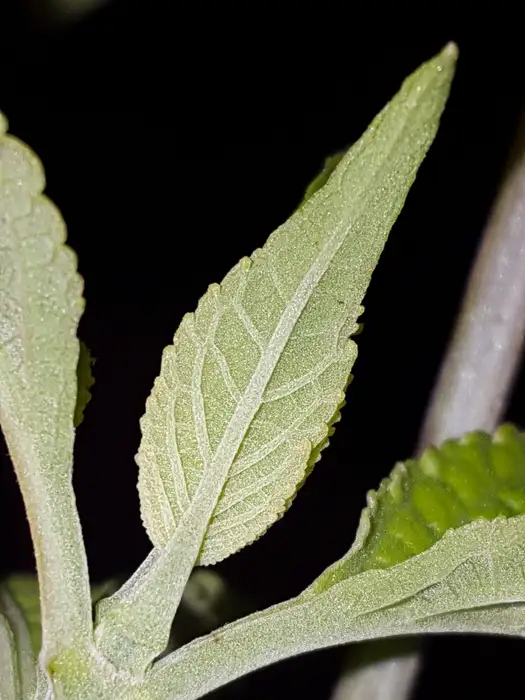
Diviner's sage (Salvia divinorum)
(Salvia divinorum)
An endemic Mexican sage whose compound salvinorin A acts as the most potent naturally occurring hallucinogen via the κ-opioid receptor — regulated in many countries.
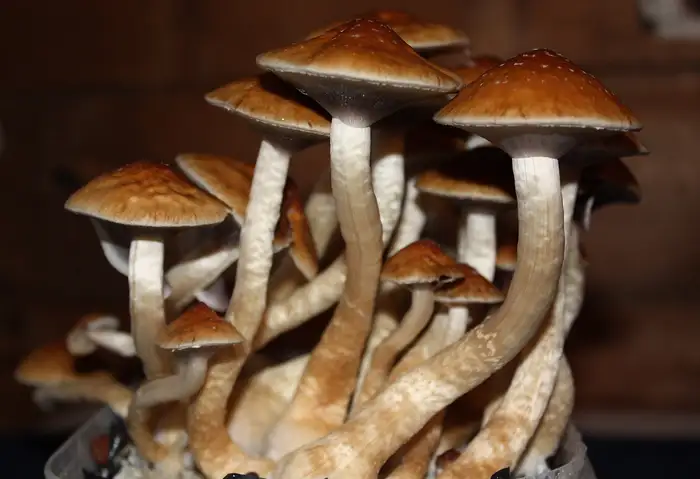
Golden Teacher
(Psilocybe cubensis)
The pantropical, dung-dwelling Psilocybe cubensis contains the psychoactive alkaloids psilocybin and psilocin and is a controlled substance in many countries.
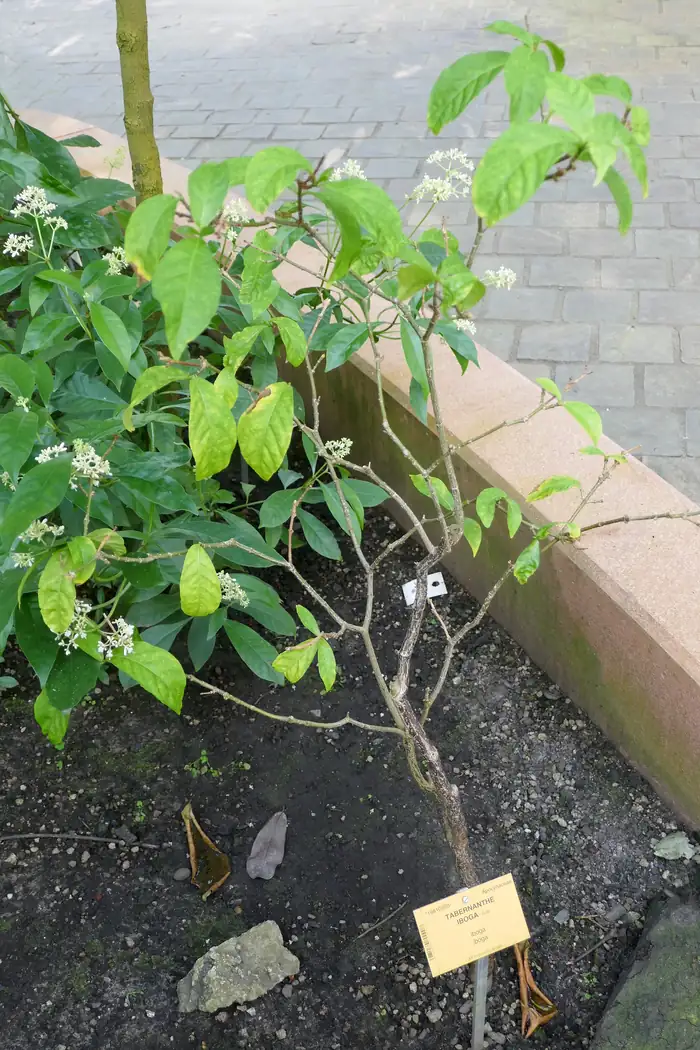
Iboga
(Tabernanthe iboga)
A Central African shrub whose root bark contains the alkaloid ibogaine and which is traditionally used in the Bwiti rituals of Gabon.
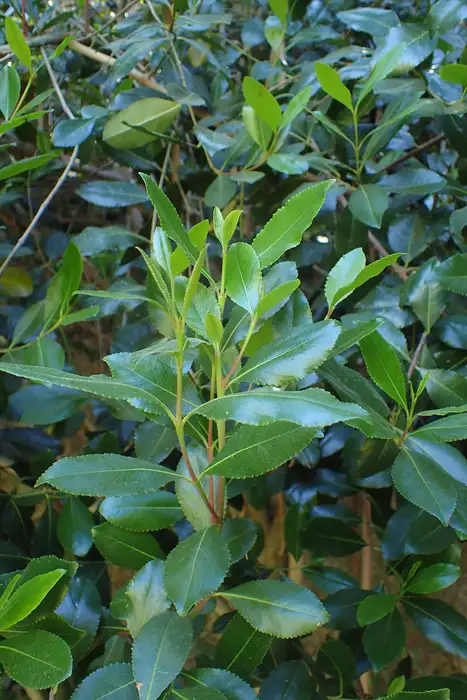
Khat
(Catha edulis)
East African shrub whose fresh leaves contain the amphetamine-like stimulant cathinone and are traditionally chewed.
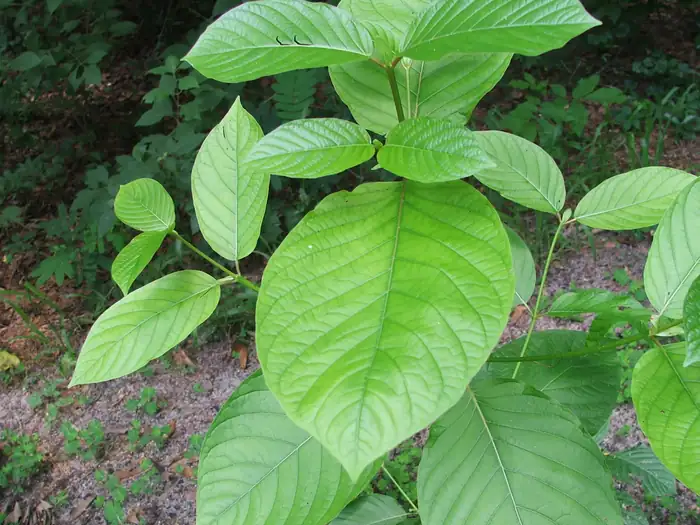
Kratom
(Mitragyna speciosa)
A Southeast Asian tropical tree whose leaves contain alkaloids that act on opioid receptors — psychoactive and regulated in many countries.
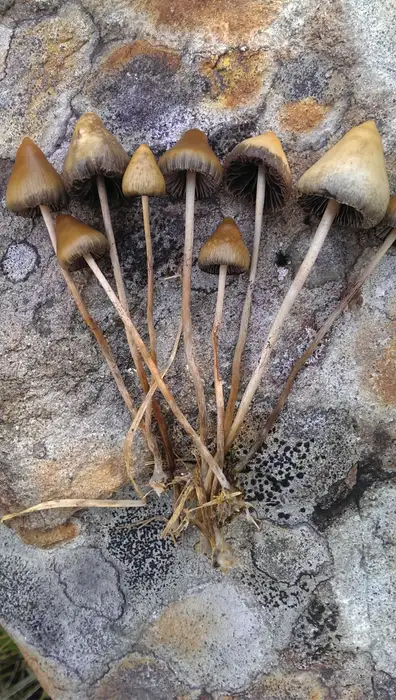
Liberty cap
(Psilocybe semilanceata)
A small, globally distributed grassland mushroom and type species of the genus Psilocybe — psychoactive, controlled, and easily confused with deadly look-alikes.
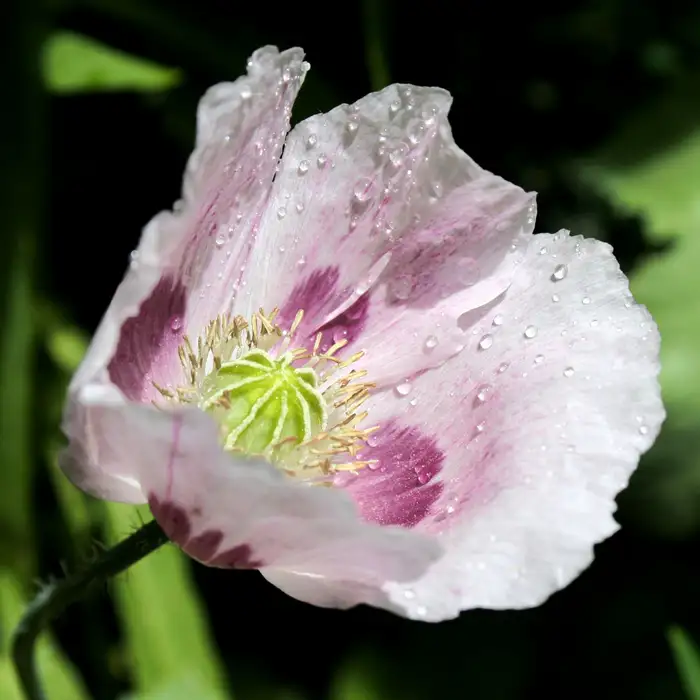
Opium poppy
(Papaver somniferum)
An ancient medicinal and cultural plant whose latex yields opium and key analgesics such as morphine - today internationally controlled as a narcotic.
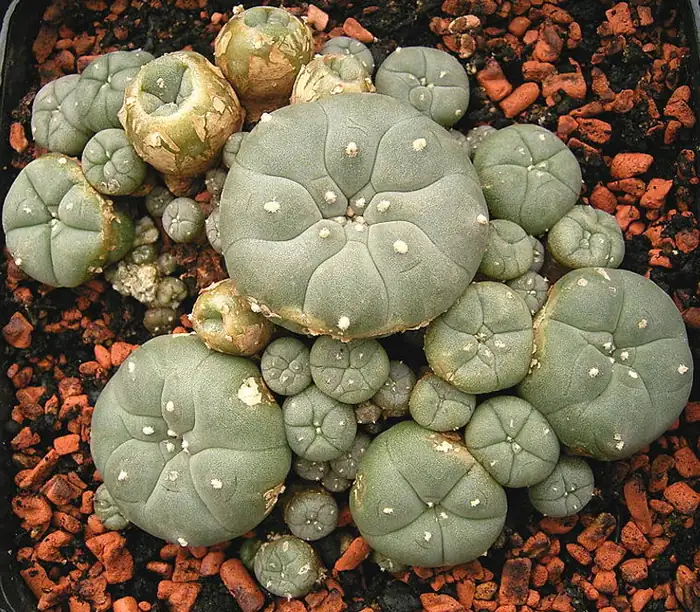
Peyote
(Lophophora williamsii)
A small, spineless cactus from northern Mexico and south Texas that contains the psychoactive alkaloid mescaline and is used ritually by the Native American Church.